

led glass mirror
Industrial butterfly valves are critical components in fluid control systems, enabling efficient regulation of flow across pipelines in sectors like oil and gas, water treatment, and chemical processing. As industries increasingly prioritize operational efficiency and cost reduction, predictive maintenance has emerged as a transformative approach to extend equipment lifespan and minimize unplanned downtime. This article explores tailored predictive maintenance strategies for butterfly valve 300mm , butterfly valve 40mm , butterfly valve 5 , and general butterfly valve systems, emphasizing scalable solutions for bulk industrial applications. Predictive Maintenance for Butterfly Valve 300mm in Large-Scale Systems The butterfly valve 300mm is commonly deployed in high-flow industrial environments, such as municipal water supply networks or power plants. Its large diameter makes it susceptible to wear from turbulent flows and pressure fluctuations. Predictive maintenance for these valves focuses on early detection of mechanical stress and seal degradation. Vibration Analysis: Sensors installed on the valve body monitor vibrations caused by imbalanced discs or misalignment. Abnormal patterns trigger alerts for realignment or component replacement. Thermal Imaging: Thermal cameras detect overheating in the valve shaft or seat, often indicating friction due to inadequate lubrication or seal wear. Flow Rate Analytics: Integrating flow sensors with SCADA systems helps correlate valve performance with system demand, identifying inefficiencies before failures occur. For bulk deployments, centralized data platforms enable simultaneous monitoring of hundreds of butterfly valve 300mm units, ensuring timely interventions and reducing maintenance costs by up to 30%. Optimizing Performance of Butterfly Valve 40mm in Precision Applications The butterfly valve 40mm is frequently used in applications requiring precise flow control, such as pharmaceutical manufacturing or food processing. Its compact size demands high sensitivity to minor operational deviations. Pressure Differential Monitoring: Sensors track pressure drops across the valve, highlighting blockages or disc warping. For example, a sudden drop may signal debris accumulation in the pipeline. Acoustic Emission Testing: Ultrasonic sensors detect leaks or cavitation noises, even in low-flow conditions, ensuring airtight sealing. Cycle Counting: Automated logs track the number of valve openings/closures. Excessive cycling beyond design limits prompts preemptive seal inspections. In bulk installations, edge computing devices process data locally, providing instant feedback for butterfly valve 40mm arrays without overwhelming central systems. Advanced Monitoring Techniques for Butterfly Valve 5 in Specialized Environments The butterfly valve 5 (often a model-specific designation) is engineered for extreme conditions, such as high-temperature steam lines or corrosive chemical transport. Predictive strategies here prioritize material integrity and environmental resilience. Corrosion Sensors: Embedded probes measure pH levels or chemical exposure, alerting operators to corrosive damage on valve surfaces. Strain Gauges: These detect metal fatigue in the valve body, particularly in systems with frequent thermal cycling. Real-Time Lubrication Analysis: Smart grease fittings monitor lubricant viscosity and contamination, ensuring optimal shaft movement. For industries procuring butterfly valve 5 units in bulk, modular sensor kits allow retrofitting older models with predictive capabilities, maximizing ROI. General Predictive Maintenance Frameworks for Butterfly Valve Operations Regardless of size or model, all butterfly valve systems benefit from foundational predictive maintenance practices: IoT Integration: Wireless sensors transmit data to cloud-based dashboards, enabling remote health assessments. Historical Data Trends: Machine learning algorithms analyze historical failure patterns to predict future risks. Condition-Based Lubrication: Automated systems dispense lubricants based on real-time wear metrics rather than fixed schedules. Manufacturers offering bulk procurement ensure uniformity in sensor compatibility, streamlining large-scale deployments. FAQs About Butterfly Valve Predictive Maintenance What parameters should be monitored for a butterfly valve 300mm in high-pressure systems? Key parameters include vibration amplitude, seat temperature, and actuator torque. High-pressure environments accelerate seal wear, making thermal and vibration data critical for early fault detection. How often should a butterfly valve 40mm undergo acoustic emission testing? Testing frequency depends on operational intensity. For valves in continuous use, monthly tests are recommended. Intermittent systems may require quarterly checks. Can predictive maintenance be applied to older models of butterfly valve 5? Yes. Retrofitting older butterfly valve 5 units with wireless sensors and IoT gateways enables seamless integration into modern predictive frameworks. What is the primary advantage of predictive maintenance for butterfly valve arrays in bulk installations? Scalability. Centralized monitoring reduces labor costs and ensures consistent performance across thousands of valves, minimizing system-wide downtime. How does lubrication analysis prevent failures in butterfly valve 300mm systems? Contaminated or degraded lubricants increase friction, leading to shaft jamming. Real-time analysis ensures timely replenishment, avoiding catastrophic failures. Predictive maintenance revolutionizes how industries manage butterfly valve 300mm , butterfly valve 40mm , butterfly valve 5 , and general butterfly valve systems. By leveraging advanced monitoring technologies tailored to specific valve sizes and operational demands, manufacturers can deliver bulk solutions that enhance reliability, reduce costs, and support sustainable industrial growth. As industries evolve, adopting these strategies will remain pivotal to maintaining competitive advantage in fluid control systems.
about
led glass mirror
Understanding Tapering Gauges A Comprehensive Overview Tapering gauges are essential tools in various industries, particularly in manufacturing and engineering, where the precise dimensions of components are crucial. These gauges are specifically designed to measure the taper of cylindrical objects, enabling professionals to determine the fit and functionality of parts that require a certain degree of taper for optimal performance. In this article, we will delve into the purpose, types, applications, and significance of tapering gauges. What are Tapering Gauges? Tapering gauges, also known as tapered measuring tools, are instruments used to measure the angle and extent of tapering on a workpiece. Tapering refers to the gradual narrowing of an object, which is often seen in shafts, pipes, and other cylindrical components. The measurement provided by a taper gauge helps ensure that parts fit together correctly and function as intended within mechanical systems. These gauges can come in various forms, designed to accommodate different taper angles and sizes. Commonly, taper gauges may consist of a series of tapered blocks or thin plates that increase in thickness. Users can determine the taper by inserting the gauge into the tapered section of the workpiece to find where a snug fit occurs. Types of Tapering Gauges There are several types of tapering gauges available, each suited for specific applications 1. Plain Taper Gauges These are the most basic form. They contain a series of known taper angles that allow users to measure the angle of the taper on their workpiece and ascertain its acceptability based on industry standards. 2. Tapered Plug Gauges These gauges feature a tapered design that allows them to fit snugly into a hole or a recess. They are particularly useful for checking the internal taper of a bore or socket. 3. Adjustable Taper Gauges These are versatile tools that enable users to modify the taper angle as needed. They are beneficial for applications that require a range of taper measurements without needing multiple gauges. tapering gauges 4. Digital Taper Gauges With advancements in technology, digital taper gauges have emerged, offering precise measurements with electronic readouts. These provide ease of use and increased accuracy, making them a favorite among professionals. Applications of Tapering Gauges The applications of tapering gauges are widespread. In the manufacturing industry, they are used for - Quality Control Ensuring that components meet specified tolerances and standards for tapered surfaces, crucial for parts like fittings, valves, and pipes, where a proper fit is essential for function and safety. - Assembly During assembly processes, tapering gauges help in verifying that parts align correctly. This is especially important in industries such as automotive and aerospace, where precise engineering is critical. - Tool Making In tool-making workshops, taper gauges assist in the production of custom tools requiring specific tapering for performance, such as drill bits and taps. - Maintenance Maintenance personnel use tapering gauges to check the wear on components and assess whether they need replacement or repair. The Significance of Tapering Gauges The importance of tapering gauges cannot be overstated. They play a pivotal role in maintaining quality and efficiency in manufacturing processes. Accurate measurements lead to better fitting components, reducing the risk of malfunctions and improving overall system performance. Moreover, utilizing tapering gauges can minimize waste and rework, contributing positively to productivity and cost-effectiveness. In conclusion, tapering gauges are indispensable tools in various applications. Their specialized designs and various types accommodate the diverse needs of different industries. By ensuring accurate measurements and proper fits, tapering gauges significantly enhance the functionality of mechanical systems and contribute to the overall quality of manufactured products. As technology advances, these tools continue to evolve, promising even greater precision and usability for professionals in engineering and manufacturing sectors.
-

High quality industrial productsagement

High quality industrial products
View Details -

Meet the diverse needs of customers

Meet the diverse needs of customers
View Details -

Strict quality control

Strict quality control
View Details -

Top raw materials

Top raw materials
View Details -

Trusted supplier

Trusted supplier
View Details
Our application

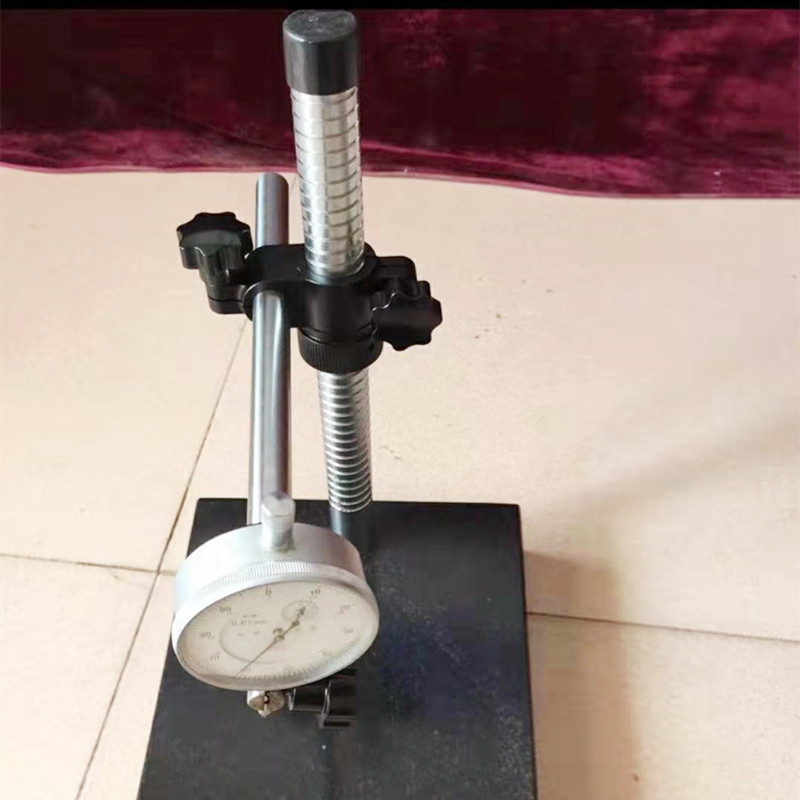


news and information
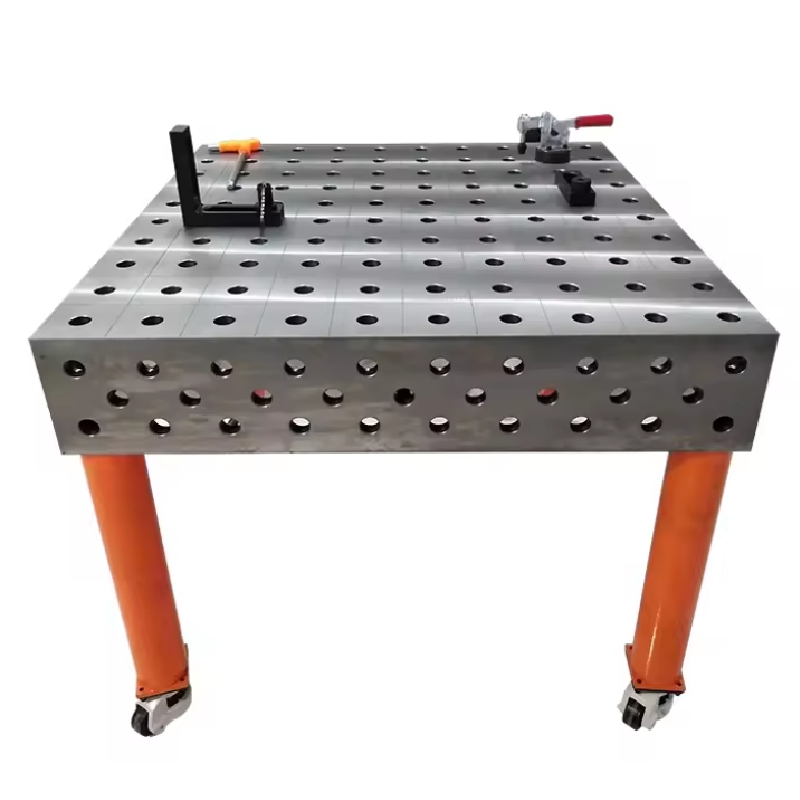
Vente de clapets anti - retour
Vente de vannes anti-retour Un choix judicieux pour votre système hydraulique Les vannes anti-retou
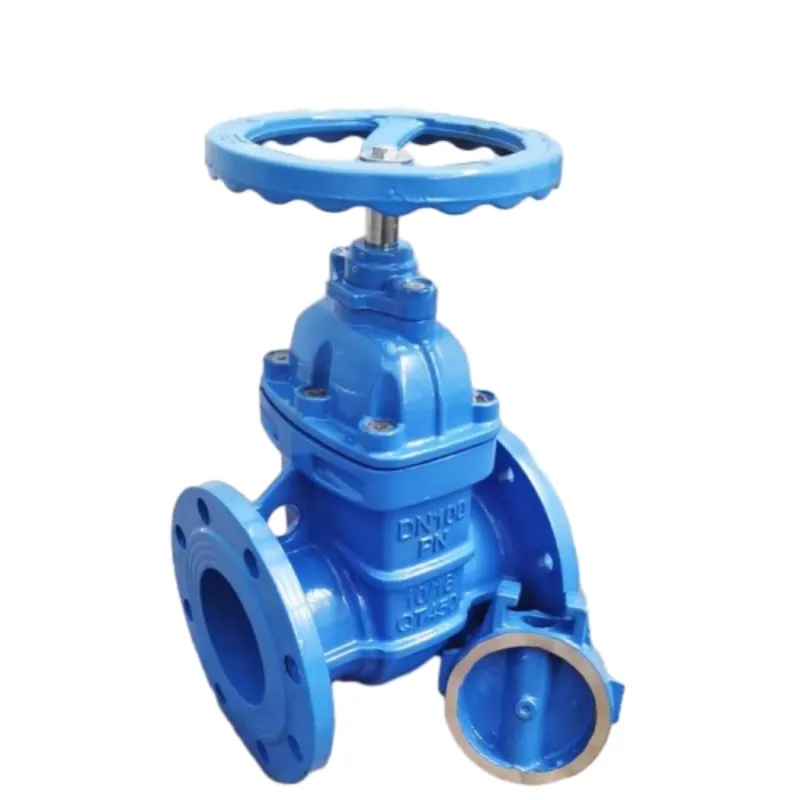
welding fab table for sale
The Rise in Popularity of Welding and Fabrication Tables for Sale In recent years, the demand for we
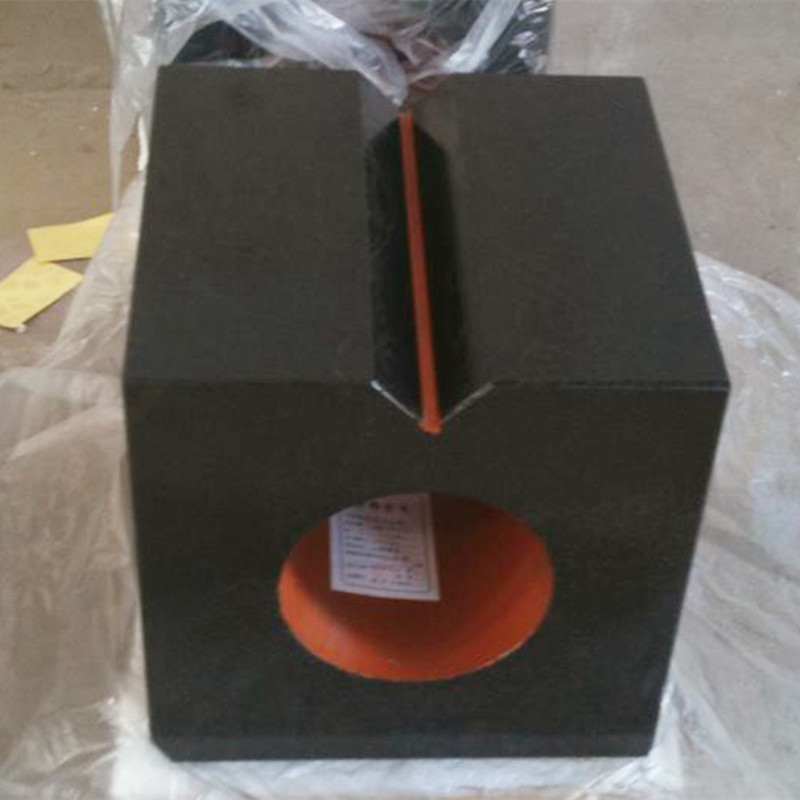
Versatile Tools for Establishing Precise Right Angles in Various Projects
The Right Angle Ruler Tool A Cornerstone for Precision in Drafting and Construction The right angle
 English